Original Date: August 2018 (Originally LMNpost)
Another day and another conversation about logistics and talking to people who are curious about what "Logistics and Supply Chain Management" actually is. So, in the name of efficiency, here is the 101.
It starts with an idea: you need to come up with something to sell. Whether you are a pizza shop or an importer, the point is to make the sale. That’s step one.
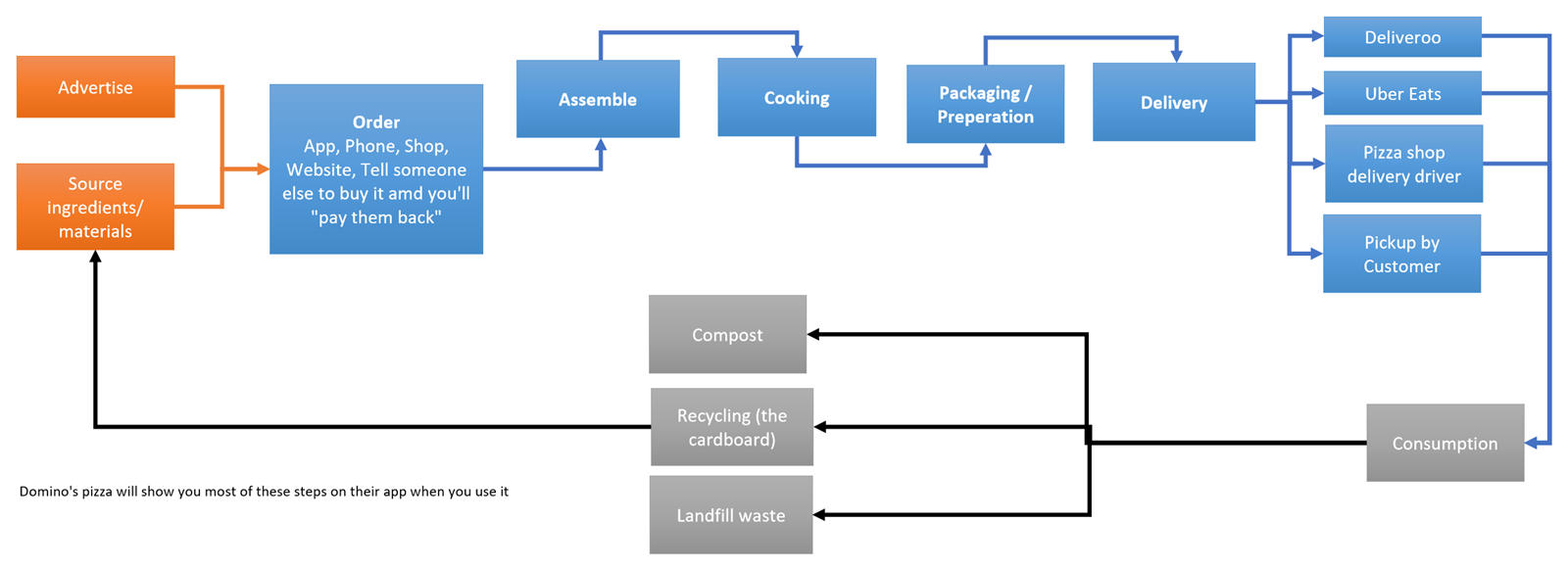
But let's fast forward past the product testing and validation. Let's look at the part where you need to operate a supply chain.
L\&SCM becomes a lot easier to understand when you use a metaphor. So, let's use Chess. Here are the key players and elements of any supply chain.
The Game Pieces
1. An idea (The Pawns)
You’ve come up with something, like a new t-shirt design.
- Why? Because ideas are interchangeable and not things to be stubborn about. It takes many ideas to achieve victory.
2. Marketing & Research (The Knight)
You run ads and work out that people want your idea.
- Why? Because marketing and proper research can help you see around corners (move like a Knight).
3. Sales & Orders (The Opponent)
Someone buys your product. Now you have the task of delivering it.
- Why? Because you need an opponent to have a game. Whatever the opponent does, you need to react. Plus, logisticians and salespeople never really see eye to eye.
4. Production (The Rook)
You make the shirt.
- Why? Because production is a sequence which can often only move in a single sequential direction.
5. Shipping (The Bishop)
You get it from the manufacturer (e.g., China) to your local market.
- Why? Because there are many diagonals/ways to get something delivered: ship, plane, truck, drone, train.
6. Storage (The Chessboard)
You get the shirt delivered to your warehouse.
- Why? Storage holds all the pieces. Without a board (inventory), you don’t have anything to play with.
7. Delivery (The Queen)
The "Last Mile." You put it in a bag and AusPost takes it to the customer.
- Why? Because the last mile is the most flexible, has almost unlimited power, and if it falls in the game, you are in a lot of trouble.
Analysis (The Player)
You know what the pieces are, now you need to play the game. This means analyzing the board:
- Inventory: Managing this is vital. Dick Smith went out of business because they had 12 years' worth of batteries in stock. Don't be a Dick Smith.
- Performance: If you put something on a truck but don’t know if it got to your customer, your life will be stressful.
Strategy (The King)
If cash flow is King, then Supply Chain Strategy is how to keep the King fed.
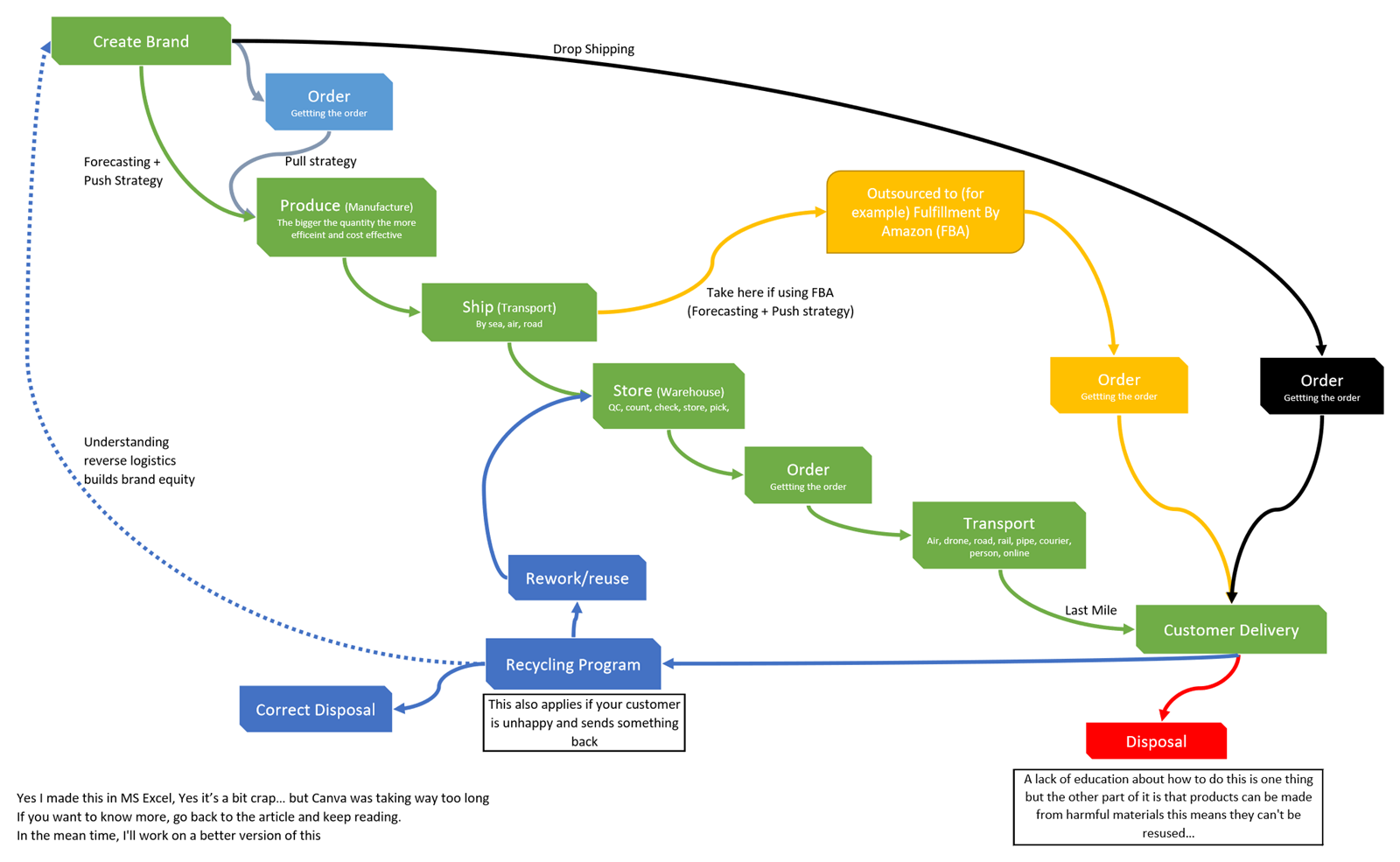
- Pull Strategy (Rolls Royce): Sell the car first, then make it.
- Push Strategy (Office Chairs): Buy a container load first, then push them to customers.
- Drop Shipping: Make the sale, but outsource the inventory and delivery entirely.
Supply chain is not just something you do once; it is designed to be repeated. If you don't focus on strategy, you become susceptible to operating blindly and letting the game control you.